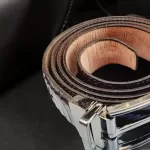
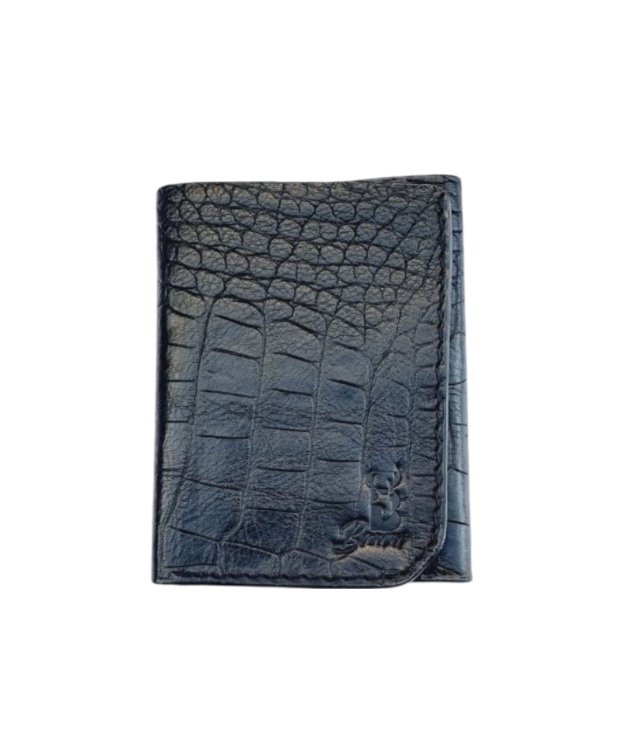
In a market flooded with fake alternatives like vegan leather and cheap synthetics, discerning consumers are on a quest for real leather. The fear of being misled can deter even the most diligent shoppers. However, understanding how to identify genuine leather can empower you to make informed purchasing decisions. Here’s a straightforward guide to help you spot real leather with four simple tests, ensuring that your investment in handmade leather goods is sound.
The Scent Test
One of the most immediate ways to identify real leather is through its scent. Genuine leather possesses a distinct, rich, earthy aroma that is both luxurious and comforting. In contrast, synthetic materials often emit a chemical or plastic smell that simply cannot replicate the organic essence of real leather. If you want to be certain, take a moment to smell the item. If it smells like chemicals, it’s likely not the genuine article.
The Texture and Pore Test
The texture of leather is another crucial indicator of its authenticity. Real leather is a natural material, which means it has unique imperfections that add character. Look for small scars, wrinkles, and inconsistent pore patterns — all signs that the leather is authentic. In contrast, synthetic leather typically has a perfectly smooth and uniform texture. If you notice entirely symmetrical patterns, this is a dead giveaway of factory-stamped fake leather.
How to Conduct the Texture Test
- Run your fingers over the surface of the leather.
- Feel for natural imperfections or variations.
- Check for a soft, supple feel that indicates genuine quality.
The Water Drop Test
Another effective method to determine the authenticity of leather is the water drop test. Real leather is porous, meaning it can absorb moisture. To conduct this test, place a single drop of water on the leather surface. With genuine leather, the drop will slowly soak in over a couple of minutes. However, on synthetic leather, the water will simply pool and slide off, indicating that it lacks the natural qualities of real leather.
Steps for the Water Drop Test
- Use a clean dropper or your fingertip to place a drop of water on the leather.
- Observe whether the water is absorbed or remains on the surface.
- Assess how quickly the leather absorbs the moisture.
The “Patina” Factor (The Ultimate Value)
One of the most beautiful qualities of genuine leather is its ability to develop a patina over time. This natural sheen and character enhance the leather, making it look even better as it ages. In contrast, fake leather is prone to cracking, peeling, and degrading within a year or so of use. If you want to ensure your investment in handmade leather goods lasts, look for items that are designed to age beautifully.
Recognizing Quality Through Patina
- Inspect the leather for signs of natural aging.
- Look for subtle color variations that indicate depth and quality.
- Consider how the leather feels; it should become softer and more luxurious over time.
Conclusion
Identifying real leather doesn’t have to be a daunting task. By utilizing these four simple tests — the scent test, texture and pore test, water drop test, and evaluating the patina factor — you can confidently distinguish handmade leather goods from inferior materials. Don’t settle for synthetics that peel in a few months. Explore Shantety’s collection of 100% genuine, handmade leather bags and accessories designed to last a lifetime.